Showing posts with label remastered. Show all posts

Thursday, June 21, 2012

Blast from the Past: MiniDisc, Wide Bit Stream and 20 Bit


I cannot really tell you, dear reader, why I´m so interested in ancient digital technology. I suspect several reasons but none of them seems clear enough for me. But I know that it seems to be interesting enough for others too - otherwise I couldn´t explain the 3000 monthly pageviews I still find surprising given those geeky topics I usually write about. Today I will not only write about a nerdy subject but also about an example of now ancient technology that quickly became technically obsolete: the MiniDisc. Some months ago I reviewed several portable CD players I had acquired; in that same article I mentionend in passing my first MiniDisc recorder bought in 1996, the Sony MZ-R 30. I also published several measurments I made with this unit and talked about some of the technical features enabling the MiniDisc to function. Ever since that article I had the nagging feeling that I needed to elaborate a bit more on the technical aspects of that system as well as writing about its sound in detail. Well, here it goes.

MiniDisc logotype (copyright: Sony)

The MiniDisc was introduced to the market in 1992, at a time when sales CDs reached an alltime high and the Cassette Tape approached its final evolution with the introduction of Dolby S. By then it already was apparent that the Tape was going to be replaced by CD technology, just the same as Vinyl was. Additionally, Sony and Philips had already developed and standardized the CD-R format in 1989. Back then however the technology needed for CD-R (lasers and media) was alarmingly expensive & still in its infancy so both companies developed something else supposed to be equally capable of digital recording but much less costly. Philips decided on the ill-fated DCC format while Sony decided to use something more cutting edge: MO-discs. They also determined the new format to be much smaller than anything else released before; in order to achieve that they had to use a lossy compression scheme. The result was an MO-disc shrinked to one fifth of its former size combined with a newly developed lossy compression called ATRAC, all of it encapsulated inside a nifty package looking like a tiny floppy disc. This new format appropriately named MiniDisc was - just like DCC - released in 1992 in form of the portable recorder MZ-1. From the minute they presented it I was fascinated by it because it offered some traits completely new to the audio world. Beside being able to record something digitally the MiniDisc was highly portable (remember: we are talking about a time when flash memory was still in its infancy and had yet to be released). But it was the possibility to edit its content to your liking that catapulted the system into the limelight: a user was able to move around or to erase a particular track or several tracks, one could also divide or combine these tracks. In short the perfect personal "Best-of" was now possible - all in flawless digital quality with then unknown portability. Or so Sony thought.

Sony MZ-R 30: have a look at the "Erase" and "Track Mark" buttons - a first back then

Since Philips was going to unleash its DCC system in 1992 Sony had to follow suit in order not to loose marketshare. The engineers of the first MD recorder however knew that they would need at least another year to perfect the compression scheme ATRAC. Have you ever heard the first mp3-encoder from the Fraunhofer Institute? I´m old enough to remember that I did; it sounded just awful. I encoded some track from an Enya album with 128 kBit/s and after decoding it back to .wav I noticed a strange pumping effect and distortions like flanging and pre-echos. Clearly, mp3 wasn´t ready to be used - and the same happened three years prior when the MZ-1 was released. Early tests noticed some strange artifacts sounding like crackling fire on top of sounds in combination with a generally metallic and dull sound; the first version of ATRAC just wasn´t ready for public release. The biggest leap in quality was supposedly achieved with ATRAC 2 one year later: much less metallic, frequency cutoff extended to 18 kHz (before: 15 kHz) and less audible crackling noise. ATRAC 3 from 1995 came close to DAT in a DBT, the crackling noise had almost disappeared. But only ATRAC 3.5, released first in August 1995 with the home component MDS-JA 3 ES would be virtually indistinguishable from CD without metallic sound, noise or anything else. This story serves to illuminate the course of technical improvement being quite visible to the general public. Especially people in Europe were very critical of the new system: the MZ-1 was very expensive, MiniDiscs were equally expensive and all of it sounded just awful. Additionally Sony made an incredibly stupid marketing error: Instead of concentrating on the systems' recording ability they advertised it with pre-recorded MiniDiscs, leading many people to believe that the MD was the CDs successor. Back then people hadn´t yet accepted lossy quality and so they stayed with Tapes a bit longer. In Japan however the MiniDisc was successful from Day One.

Sony MZ-R 30, using the Wide Bit Stream capable ATRAC 4

But all of that changed with the MDS-JA 3 ES. The major reason for improved quality was the decision to switch to quasi-floating point operation within the ATRAC encoder/decoder circuit. Sadly it is an almost publicly unknown fact that virtually every lossy compression scheme (mp3, AAC, OGG) internally works with floating point arithmetic. Integer processing isn´t suited that well for audio since it only can support a limited range of values whereas floating point can represent an almost unlimited amout. The first three ATRAC IC designs processed by using integer values only, limiting their range. When Sony got rid of this restriction ATRAC was ready to work with improved quality, subsequently becoming able of capturing high resolution material. Using their patented "Block Floating Operation" the MiniDisc now was ready to process and store information with higher resolution than CDs 16 Bit. And instead of reducing the bit depth to 16 Bit again during en/decoding Sony just used 20 bit capable A/D-D/A converters in order to make sure that the improved processing depth would be preserved. Meaning: the MDS-JA 3 ES was the first truly 20 bit capable consumer recording device. In 1995 this was a small revolution - not one recorder had been capable of delivering a resolution that high up until that point. Sony therefore took the wise step by advertising it as such while making sure that every internal processing step matched this 20 bit capability, calling the entire process "Wide Bit Stream". On home consumer devices a resolution this high makes perfect sense, it´s an entirely different situation with portable recorders however. Even if a recorder like my MZ-R 30 would work within this bit depth it would be pointless; its combined A/D-D/A converter Asahi Kasei 4515 is a true 16 Bit converter, rendering the internal processing power useless as a result. Likewise, digital 20 Bit sources weren´t existing back then so this impressive processing precision effectively only made sure that CDs were encoded without flaw.

But since the day I first read about it I have been interested in finding out if Sony spoke the truth. Could a lossy device like the MD be capable of delivering higher-than-CD resolution? All those years ago I couldn´t do revealing tests myself only because I lacked the equipment for it. But hey, we now have 2012 and I own the Creative Sound Blaster X-Fi HD USB! As you know it features optical in/outputs delivering true, bit matched 24 Bit signals. My boyfriend also owns a Kenwood DM-5090 (1997) which I suspected to be Wide Bit Stream capable. BTW, despite being advertised featuring an ATRAC 4.5 IC the Kenwood only uses the same ATRAC 4.0 IC from my MZ-R 30. For measuring pure ATRAC performance I devised a  test routine that would protect the digital signal integrity at every step during my procedure without any analogue intersteps. I created an RMAA generated test signal with 24/44.1 and did the following:


SB X-Fi HD ---> Sony MZ-R 30 (recording) ---> Kenwood DM-5090 (playback) ---> SB X-Fi HD


Recording was done digitally using the MZ-R 30

Playback was done digitally with the ATRAC 4.0 equipped Kenwood DM-5090

The results were surprising to say the least. My old MZ-R 30 turned out to be a true Wide Bit Stream capable recorder - only when using digital connections of course. Just imagine you now would find out that a recorder you´ve known for 16 years has been capable of capturing high resolution all the time. For Christ's sake, this thing is from 1996, a time when not even recording studios were using 20 Bit regularly! The Kenwood DM-5090 was equally surprising since its digital output delivers a true 20 Bit signal. A) for a consumer device it would make much more sense to transmit with 16 Bits only and B) my resulting files were actually 20 Bits inside a 24 Bit .wav file (as indicated by the Bit-meter in WaveLab). Look at the results:

Entirely digitally transmitted 16 Bit test signal yields 16 Bit performance using ATRAC

A 24 Bit test signal yields 20 Bit performance thanks to WideBitStream

For comparison: mp3 320 kBit/s CBR (Lame 3.98.4) with 20 Bit output

Sony told the truth indeed: even a small portable MD recorder is capable of recording true 20 Bit quality (Dynamic Range would need to be roughly 10 dB better though). The 16 Bit signal results in 16 Bit quality while the 24 Bit signal yields 20 Bit quality. It would be interesting to measure the output of an ATRAC 4.5 equipped device since that particular ATRAC version was the first to use full 24 Bit processing. Furthermore you now can see how mp3 behaves when it´s properly decoded, allowing it to deliver the full resolution of its internal 32 Bit floating point data (for fairness decreased to 20 Bit in the example above). The mp3 measurment also serves as an example how much lossy codecs have improved during the last 16 years. Granted, results are a bit unfair since ATRAC uses 292 kBit/s whereas the mp3 test signal above was encoded with 320 kBit/s. The most important measurment for all three examples is Total Harmonic Distortion plus Noise (THD + Noise), ATRAC measures 8 dB worse than mp3 which might lead to more audible compression artifacts. But considering its age, its limited processing power and implementation ATRAC fares impressively well. Of course, with every lossy compression scheme only the output with real music counts so measurments might not reveal any sonic shortcomings. For that I not only recorded test signals; I also copied several music examples the same way as described above to find out if ATRAC sounds different to the originals. To determine if there was an audible change was indeed quite difficult, proof to how well Sony designed the whole process. It could very well be a placebo effect but I was under the impression that ATRAC widens & deepens the stage impression very slightly leaving tiny "holes" and a not so stable stage. It also seemed to sound either too harsh or too mellow depending on the material - but keep in mind that the perceived effects were so slight that I´m not sure I´ve even heard them. Impressive, don´t you think?

Sony MZ-R 30

But how does the MZ-R 30 sound? I´ve already talked about this before - but I didn´t rate its sonic quality with my new rating system. The sound of the MZ-R 30 is fairly balanced, blowing up upper bass while missing high frequency detail. Despite this it displays slight loudness-switch characteristics, emphasizing bass and treble frequencies around 10 kHz, efffectively draining sonic colour. Dynamics seem to be held back with the result that the MZ-R 30 always sounds "nice"; bass is soft and misses punch, transients in general are too soft. Staging is fragmented yet flatter and convoluted, guessing size and position of instruments is becoming difficult for the listener. It´s like hearing a fuzzy bubble without much depth and width. What suffers most however is resolution; details are rendered far to casual, more often than not high frequency detail turns into simple noise. High frequency intelligibility really isn´t very well rendered on this device, yielding a voluptuous and too warm sound. Don´t get me wrong, it sounds moderately well, definitely better than 40% of my portable players. Without colouring the sound too much it presents music very pleasant, you can therefore listen with it for extended periods without suffering from listening fatigue. Its headphone output on the other hand - although powerful enough - sucks big time. Using it one looses much crispness, it sounds surprisingly dull.

Sonic Balance:
Dynamics:
Resolution:
Stage / Ambiance:
Character:


A personal Note

Of course it´s pointless to use such an ancient device in present times. Recent portable players can be filled with music in a matter of seconds, offer theoretically improved sound quality (using lossless FLAC and improved technology) and are much smaller in size while offering reasonable running times. With musical gadgets convenience always is key while quality plays a secondary role. Therefore technological obsolescence plays a major role in the death of the MiniDisc. 
But there are other reasons as well... up above I´ve talked about CD-R - since they were so expensive Sony estimated it would take a long time for them to become affordable. They were wrong: recordable CDs became cheaper than MDs in 2000/2001, rendering the MiniDisc an inconvenient and slow recording device with a compromising quality approach. The mighty giant Sony reacted with altering the MD format by introducing an advanced version of ATRAC called ATRAC3 (not to be confused with ATRAC 3) which allowed longer recording times by lowering the datarate (64 kBit/s & 132 kBit/s). Needless to say that such recordings were incompatible with older MD devices. 
Around the same time a second problem arose: portable mp3 players. Sony tried to counter these developments with another new feature released in 2002 called NetMD where you could - using your PC - upload your music to a recorder equipped as such via a built-in USB link. Of course, you had to use the proprietary ATRAC compression scheme, meaning that you had to re-encode your collection of mp3-files, lowering the quality even further (lossy re-encoded to lossy). For all consumers it was as clear as day that this was highly inconvenient and extremely impractical - but Sony found nothing by it. Subsequently many consumers parted with Sony and the MiniDisc. 

Kenwood DM-5090 - an MD recorder from the systems' heydays - and not even from Sony

The last nail into the coffin of MiniDisc however was the release of the iPod in 2001 and its subsequent success. Again Sony completely misinterpreted unfolding developments and tried to revive the almost deceased MiniDisc corpse by improving the recording quality. They introduced the Hi-MD in 2004 - for the first time in its life the MiniDisc was able to record and playback music in true lossless 16/44.1 quality, all of that combined with NetMD "comfort". Yes, they dropped the Wide Bit Stream feature entirely. It´s ironic: to infuse the system with new life they not only sacrificed something that made the MiniDisc unique (admittedly: many people didn´t care) but also compromised backwards compatibility. Sony subsequently lost its "coolness", the MiniDisc was just one of many decisions made in the first years of the new millenium that stank of stupidity. The once shining company that produced legendary components now is just a mere shadow of its former self, making more profit with finances (!). Remember: Sony is at heart a manufacturer of electronics and not a bank. Today Apple is hip while Samsung is market leader, both traits were personified by one company just ten years ago: Sony.

Sony may die a slow death - but thankfully their components are still around and obviously built to last for quite some time. I for one have decided to go back to the MiniDisc system for now, even though production has ceased in 2011 and I myself abandoned it in 2001. Why am I so stupid and unreasonable? I don´t really know... but the first time I touched the Sony MZ-R 30 I knew that I was in love. This never happened when I received my Sansa Clip+, it was just another device playing music. Furthermore I never trusted mp3 - without a logical reason really. By now lossy codecs have reached a mindboggling quality, with higher data rates they in fact are transparent. Still, to me mp3 always sounded a bit dull and compact. I know, I know... completely stupid and very likely a placebo. But I can´t help myself, I always perceived the MiniDisc to sound better. It also looks and feels very nice, it has a haptic mp3 cannot reach since it´s immaterial. Some weeks ago I read an essay in the German news magazine Der Spiegel called "You cannot love files". This article described how soulless downloaded music appears to many customers´and it argued that today you can buy music in a second and have it on your portable player the next. But you cannot hold it in your hand (like a CD , MD or even Vinyl), leading to a feeling of being disconnected from it. You don´t have to occupy yourself with it anymore, it´s just data confined within impersonal files. I´ve always wondered why I "remaster" every CD I buy (which are many), maybe it´s because I want to "connect" with it before it ends up in pristine quality on my HDD where it´ll only be a collection of files. My recent interest in vintage portable players or the MiniDisc forces me to do the same, I have to bother myself with the music, I have to spend time with it. In any case I have not understood the reasons for this yet, I´m just starting. Maybe it´s much simpler and I´m starting to get old. Equally possible but you know what? I don´t care because I want to enjoy music in very good sound - and the MiniDisc allows me to do that despite (or because?) its shortcomings.


Friday, May 11, 2012

An attempt at "Remastering" - the score to "Hook" serving as an example


EDIT: During the last few days I´ve received numerous complaints about this article. I came across (here and on the FSM forum) as an arrogant and vulgar jerk and I´ve needlessly offended everyone; Bruce Botnick, John Williams, Americans, LaLaLand Records and score collectors, I even uttered racist sentences. I am very sorry for this. I created problems I didn´t want to create and also ridiculed what I was trying to say. The version of this article you´re about to read has therefore been revised to a much less - I hope - offensive state and while editing after publishing is an example of poor form I still had to do it. I would like to thank David Sones who moderates the FSM forum and also my best mate, both made it clear to me that I have been unable to see the bigger picture and that I was navigating myself into a corner I never wanted to be in.


Hello my friends! Since my last article exactly one month has passed and while I´m sorry that I needed so long to write another one I tend to think that I used this time quite well. I´ve acquired several additional portable CD players (including a legend and a surprise - review to follow), did something incredibly stupid (will also be described in the CD player article) and I´ve purchased some new CDs, soundtracks / filmscores to be exact. Today I´d like to talk about one particular score, the one to the Spielberg directed "Hook". As usual with Steven-Spielberg-directed movies master composer John Williams wrote that score and among fans it rightfully ranges as one of the best efforts Mr. Williams achieved during his very long career. It often pops up in "Best-of" lists, you may remember that I too mentionend it in my own "Best sounding scores of all time" list. I included it because the original CD from 1991 sounds so wonderful and perfect, it truly is one of engineer Shawn Murphy's (many) outstanding efforts. Still, this CD wasn´t complete and for us score collectors a lot of the music we heard in the movie was missing, regardless of its more than generous 70 minutes runtime. You see, John Williams had written roughly 130 minutes of music, not including alternates, songs and early versions for the ultimately unrealized musical version that was planned originally.

The first release (1991, Epix Soundtracks, copyright by Sony Music)
While it´s fairly common not to release everything that has been written for a filmscore (because of redundancy or musician's fees) fans were disappointed nevertheless by what had been left out. Not surprisingly roughly ten years later or so a bootleg surfaced, which - as is common with bootlegs - suffered from very bad sound quality. Finally in 2012 the pleading of us score fans was answered and an official and completely new release was unveiled by the label LaLaLand Records with a lot of help by Sony Music. They took the greatest care in assembling this 2-CD-Release, even John Williams himself participated in its assembly - and he rarely embraces expanded releases of his scores and it´s even rarer for him to take part in their creation. Everyone involved seemed to make sure to create the best version possible which probably wasn´t easy at all. I recommend to read the interview with producer Didier C. Deutsch, it´s very enlighting in regard to the problems producers of these releases sometimes have to face. In any case, I was very excited since "Hook" has been one of the first scores I ever bought and it has been partly responsible for musical preferences I have today. But not only my musical tastes were shaped by it, no, it also shaped my sound preferences because its sound shows true reference qualitites. You can imagine that I was very excited to have the possibility to own the expanded version myself - more wonderful music, more wonderful sound. I was eagerly awaiting the day of its arrival and because it was that important to me even my boyfriend took part in my decision to purchase it (he isn´t interested in filmscores and is sometimes ennerved by the scores I listen to with my headphones :)), he subsequently decided to present it to me for the Easter Holidays - a very welcome surprise.

The second release - beautiful, isn´t it? (2012, LaLaLand Records, copyright by Sony Music)

Another surprise awaited me on the day of its arrival: while I adored the additional tracks I´ve until then only known through the movie (I have seen it many times; I own it on DVD) I became irritated about their sound. The tracks I knew from the first CD sound like their old pristine self whereas the new tracks sound a bit different. For sure, their level of sonic perfection is equally high but at the same time they have more bass, treble and an increased amplitude. Example: one minute you get to hear the full orchestra playing Hook's theme in "Presenting the Hook", the next minute an assumed smaller part of the same orchestra follows with higher volume level (roughly 2-3 dB) combined with a slightly different sound signature on the new track "Pirates!". To make a long story short, I was disappointed because I was expecting the perfection I am used to from the first release - what I got instead was sonic inconsitency. An even bigger disappointment were "The Ultimate War"-track: this piece also known from the first CD has been expanded into three seperate, considerably longer tracks with help from a less than pristine source; the producers obviously had to use the score mix prepared for usage in the movie alongside sound effects, dialogue etc., I assume that the original masters for these tracks couldn´t be located. But why does the usage of this score mix pose a problem? For one, this score mix is a copy of the original master, here in this case an analogue copy as evidenced by the drop-outs and slight channel imbalances. Secondly, this mix has to play alongside the rest of the movies' soundtrack with the result that the music changes amplitude constantly; it gets dialed down for dialogue or turned up for action sequences, sometimes in a fraction of a second. Another problem of these tracks is their amount of editing: in an effort to closely mirror the music we knew from the movie the first, formerly pristine half of the "The Ultimate War"-track has been edited, effectively creating loops and awkward jumps in continuity and amplitude. Remember, this was done on a part of the track that formerly was perfectly allright. Additionally they adapted the amplitude of this first half by increasing the volume level in order to match it to the mixed-in moviemix, creating an example of the "Loudness War" as a result and making the whole track another 2-3 dB louder than the rest of the score. Two examples are below:


The whole orchestra playing at full force on "The Ultimate War"
 - brickwall limited in combination with 0 dBfs distortions (clipping)


"Remembering Childhood" - note the part 8:30 to the end: this is the complete orchestra playing
again at full force - with roughly 5 dB less RMS level though. Peaks and dynamics are intact.

While this seems to be bad it isn´t: the three seperate "Ultimate War"-tracks are the only "Loudness War" tracks, the rest is perfectly fine. But I´d like to know if you, dear reader, were disappointed like me or if you don´t mind something like this. Does brickwall limiting combined with clipped 0 dBfs peaks disturb you? I´m of the opinion that maximizing the RMS level doesn´t make sense with purely orchestral scores, it´s not like this music has to compete with Lady Gaga's newest release on the radio. I guess what mystifies me the most is how a release in the year 2012, published by two very experienced and professional companies, with a pristine mastertape as a source, happens to be mastered like this. Usually one of the goals of mastering involves matching the sound of one particular track to the sound of another, possibly different sounding track. This process consists of bringing their respective frequency responses (or sound signatures) and their overall RMS levels with respect to the overall dynamics of the complete work closer together. It seems strange to me that it wasn´t done here, especially when considering how much work went into a spectacular release like this. Possible reasons? I don´t know, I´d be very glad if someone with information would be able to comment on this article in order to shed some light into this.

But what can we do about "Hook", assuming you were disappointed like me? We can try to improve it further by turning it into a more coherent sounding soundtrack CD. To make it easier from now on we`ll use the term "Remastering"; plain wrong and misleading of course since we´ll be doing nothing more than adapting the sound to our own personal taste or what we presume to be correct; what we are certainly not doing is creating a new master because only that would justify the term. But for the sake of convenience let´s just use this imprecise expression, shall we?
In the rest of this article I shall attempt to show you how I "corrected" the shortcomings I´ve talked about, if you want to do the same let me remind you that you should work with good Equalizers, resamplers and DAWs only. I also advise you to work within a bit depth of 32 Bit Floating point; while the guys at hydrogenaudio.org might tell you that it´s unnecessary I disagree since you will be doing lots of processing; working with this bit depth helps to preserve the original resolution and dynamic as close as possible without introducing too much errors. Additionally I also work with a version I upsampled to 176.4 kHz before using EQs or other DSPs because A) I keep the resulting 96 kHz files and B) signal processors are using oversampling - with a higher samplerate I can avoid additional oversampling close to the passband.

These are the tools I used for "Hook":
iZotope RX AdvancediZotope Ozone 4Sound Forge Pro 10.0
You don´t have to use them, Audacity is very good too. 
For up- and downsampling I´d also recommend SoX
 - it´s a very good resampler for use within foobar2000

My configurations for iZotope Ozone 4 are following below. I attempted to change equalization and stereo separation beside level changes, both of them are intended to change the new tracks into something that closely resembles the original tracks already known from the 1991 release; their frequency response has not been changed for the new release (apart from noise-shaped dither) so they are serving as the ultimate reference to which all other tracks have to be adapted. My configuration should also be applicable to other equalizers... and don´t worry about using them: they tend to be described by audiophiles (people like me) as coming from the devil himself when in reality they are used on 99% of all releases out there, with them it´s like with all things: it doesn´t matter if you use them, it only matters how. So, still with me? Want to see a world you´ve never seen? Then take my hand for I now will take you down the rabbit hole.


EQ setting for the new parts (except "The Ultimate War") - called "NewTracksEQ"


Stereo separation for the new parts (except "The Ultimate War") - part of the "NewTracksEQ"-setting


EQ setting for the filmmix tracks ("The Ultimate War" etc.)
- called "FilmMixEQ" (yes, these settings are quite severe)

Stereo separation for the filmmix tracks - part of the "FilmMixEQ"-setting


After my suggestions for equalization and stereo separation I´ll now show you where and how they are going to be applied. I came up with the augmented tracklist below during my initial spotting session of the score, I tried to find out the differences while at the same deducing what needed to be done to flatten them out. The tracks I assumed to be in need of change / processing / corrections are marked in bold letters. A warning: some of my suggestions seem - even to me - completely arbitrary because I cannot know the differences exactly, it´s a bit like solving a puzzle. My obsession with perfection however caused me to be as precise as possible by using the "Matching EQ" feature of Ozone in combination with my own experience to work out frequency response differences. Anyhow, I think that my reworked tracks still sound slightly different even though my result now seems to flow very nicely sonically with less audible differences than before. This isn´t an exact science (not in my case) but done by gut feeling only. The level changes for example were "calculated" only by how I think how loud an orchestra utilizing certain players should be at some particular point. Granted, because of years of exposure to orchestral recordings I like to think that I´ve gained some experience but I can never be completely confident, therefore you should regard my suggestions with reasonable doubt. Another point: while I strive to create the perfect version you mustn´t necessarily do the same, if you´re lucky with something else it´s perfectly ok and probably more healthy anyway.

DISC 1
  1. Prologue 1:30 (adjusting level for -2 or -3 dB)
  2. We Don't Wanna Grow Up 1:50  (adjusting level for -1.5 dB)
  3. Banning Back Home 2:25  (adjusting level for -1.5 dB)
  4. Granny Wendy 2:57
  5. The Bedroom 1:07 ("NewTracksEQ")
  6. The Nursery 1:38 ("NewTracksEQ")
  7. The Watch :56 ("NewTracksEQ")
  8. Hook-Napped 3:56
  9. A Portrait Of Wendy 1:06
  10. The Arrival Of Tink/The Flight To Neverland 6:03  (from 5:24 "NewTracksEQ")
  11. Presenting The Hook 3:01
  12. Pirates! 2:41  (adjusting level for -3.0 dB & "NewTracksEQ")
  13. Hook Challenges Peter 7:50 (adjusting level for -2 or -3 dB & "NewTracksEQ")
  14. From Mermaids To Lost Boys 5:13 (from 4:08 adjusting level for -2.3 dB & "NewTracksEQ")
  15. The Lost Boy Chase 3:32
  16. Smee's Plan 3:25 (adjusting level for roughly -3 dB & from 1:42 "NewTracksEQ")
  17. Pan Is Challenged 1:20 (adjusting level for roughly -3 dB & "NewTracksEQ")
  18. Hook's Lesson 3:08 (adjusting level for roughly -3 dB & "NewTracksEQ")
  19. The Banquet 3:10
  20. The Never-Feast 4:41
  21. Hook's Madness 4:00 (adjusting level for roughly -2 dB & "NewTracksEQ")
  22. Follow That Shadow 2:38 (adjusting level for roughly -2 dB & "NewTracksEQ")

DISC 2
  1. Remembering Childhood 11:04
  2. You Are The Pan 4:03 (from 2:26 "NewTracksEQ")
  3. When You're Alone 3:16 (adjusting level for -1.5 dB)
  4. Tink Grows Up 2:20 ("NewTracksEQ")
  5. The Ultimate War: To War 9:45* (up to 2:23 adjusting level for -3 dB, from 2:23 onwards adjusting level for another -2.5 dB - from beginning to 7:50 "NewTracksEQ" & from 7:50 onwards "FilmMixEQ")
  6. The Ultimate War: The Death Of Rufio 2:36* (adjusting level for roughly -5 dB & "FilmMixEQ")
  7. The Ultimate War: Sword Fight 5:32* (adjusting level for roughly -5 dB & "FilmMixEQ")
  8. Farewell Neverland 11:15* (up to 1:01 "FilmMixEQ" & from 1:01 "NewTracksEQ")
  9. End Credits 6:08 (adjusting level for roughly -2.5 dB & "FilmMixEQ")
  10. Prologue (alternate) 1:35 (adjusting level for roughly -2.5 dB & "NewTracksEQ")
  11. Banning Back Home (film version) 3:14* (adjusting level for roughly -2.5 dB & "FilmMixEQ")
  12. Presenting The Hook (film version, extended) 4:03 (adjusting level for roughly -2.5 dB & "NewTracksEQ")
  13. Hook's Blues 2:17 (adjusting level for roughly -2.5 dB & "NewTracksEQ")
  14. Wendy Tells Peter The Truth (partly unused) 2:24 (adjusting level for roughly -2.5 dB & "NewTracksEQ")
  15. Exit Music (unused) 1:42 (adjusting level for roughly -2.5 dB & "NewTracksEQ")
* Those tracks show numerous level jumps / distortions - these cannot be corrected with one singular setting, they can only be corrected individually by hand.


All in all it took me four days (or eight consecutive hours) to do this, not counting the final listening session right before the finishing touches (downsampling and/or dithering) in order to spot curiosities I might have overlooked or introduced myself. Luckily, I couldn´t find any. The most daunting part for me was the spotting session and averaging out the level jumps on the filmmix tracks. The latter had to be done entirely by hand, including going back to other parts of the score consisting of (an assumed) similar orchestration & overall amplitude to compare my changes with them as a reasonable reference. My experience came in handy so I think that my result is worthwhile and a slight improvement over the original CDs.

"The Ultimate War" now looks like this - quite different, eh?

So, after all this talk you must be interested in hearing some of my results, aren´t you? Well, lucky you because now I´m going to present fully legal samples from my version compared to the tracks in their original state from my own CDs. As I´ve said, these samples are fully legal, they are under 30 seconds but are nonetheless able to show what I did. Before I forget: my versions are lower in volume (roughly 3-5 dB) so you might want to adapt the volume of your stereo system in order for both versions to be roughly at the same volume level.


Here I removed a loop that wasn´t there before


Corrected volume jumps, overall level and EQ - not perfect but improved


Corrected volume jumps, overall level and EQ - not perfect but improved


Corrected volume jumps, overall level and EQ - not perfect but improved


Monday, March 26, 2012

The ten best sounding scores of all time


Finally, my last best-of list! Somehow I´m glad that this is finally finished... believe it or not: it took quite some time to write those lists. All the time in my head was this nagging feeling that some people won´t like the choices I finally selected. But I´ve said it from the beginning that I´d only present my personal, subjective picks and won´t copy another list with the usual candidates. No one should forget that this blog is for my personal enjoyment only, call it my "expression of egocentricity" if you like. Of course I enjoy to be recognized and I find relief in the fact that some people seem to regard my blog helpful in some way. However, it´s still surprising to me that it continues to attract the attention it gets every day considering the geeky stuff I´m writing about, not many people are interested in things they usually don´t relate to. Having said that, I don´t express myself very well, sometimes I fail at explaining where I want to go with my articles. One reason is that I´m not a native speaker (sometimes I bang my head on the table because the easiest expression has escaped my head while at other times I can´t remember the german word for an english expression), another reason is that I tend to view things from a rather simple black/white perspective. It´s so easy to get lost in one's own limited view of the world - that's one of the reasons why I took the avatar of Mrs. Dietrich: she was a true globetrotter, fluent in several languages, surrounding herself with the intellectual and artistic elite of her time while staying true to her roots. Sure, she had many flaws. But  to me she still serves as a great example of integrity, courage and open mindedness. Sometimes this example isn´t vivid enough though.

Several weeks ago I published an article about DBTs, science, engineers, mathematicians and statistics, an article I was initially very proud of. In reality however it was an abomination. I tackled themes I didn´t really understand and I myself used the very instruments I was trying to attack, it was nothing more than a badly written hack job aimed at people who couldn´t do anything about it. Additional problems were that it wasn´t new, needlessly cynical, badly researched - and all the while during writing I had delusions of grandeur! I needed my best mate to realize that the monster I created shouldn´t be in this world (I know, I love being dramatic!). This mate is a curious fella because he has a certain way of telling me directly to my face "That sucks!" and then goes on explaining why. He possesses an enormous amount of aquired knowledge in combination with a vast intellect which enables him to pick apart my reasoning. Believe me, sometimes it can be quite daunting and on more then one occasion he did hurt my feelings - but only because I do have  a problem of accepting criticism directed at me (the roots for that can be found in my occasional difficulties with self confidence). He is a very empathic person (something I lack myself) and he´s one of the few people who knows me inside out. I also think he respects what I´m doing even though he rarely tells me so (just as I have problems telling people "You were good") So he really doesn´t want to hurt my feelings, I´m still glad though that he occasionally does, as for example on my DBT article. I wouldn´t have realized my error if he would have behaved too diplomatic! Of course this is a thinly veiled 'Thank you' and I don´t really know why I´m writing all of this, I wanted to write something about scores, sound, the usual stuff. It´s just that I want him to be proud of me, I´m so glad that I´m surrounded by people like him and my boyfriend who constantly advise me to better myself. And after reading all of this I fear that he will forever taunt me :D

How do I get back to filmscores now? Life-changing experiences perhaps? My biggest passion alongside electronic stuff? Wow... how ingenious. If I think about it... I actually have several strong memories related to movie scores. I remember being in cinema with my mom at the age of seven, we were watching "The Secret of Nimh". It´s one of my most vivid positive memories from my childhood: during the climax of the movie when Mrs. Brisby has to watch her children suffer inside a stone that is sinking into the mud she touches an amulet given to her on an earlier occasion by Nicodemus, the leader of the rats. The amulet becomes powerful by "realizing" Mrs. Brisby's strong will to save her children. By sheer will power and with the help of this amulet she moves the stone out of the mud to safety, saving her children. Of course this scene is accompanied by music, music written by Jerry Goldsmith and up to that point I´ve never heard more heavenly, beautiful and spine tingling sounds. I forgot all around me and started crying helplessly, even now I´m on the brink of crying just by the memory of it. Back then I felt that I had never witnessed anything more wonderful in my entire life. And I´m not exaggerating this time. It took me until 1993 to find out that Jerry Goldsmith composed the score, a period when I already loved his music and I suddenly realized that it was only fitting that my favourite composer was responsible for one of my strongest childhood memories. 

Since 1982 I have constantly (unconsciously at first) been looking for this strange combination of somehow sad, awe inspiring and goosebumps inducing music. I have not been disappointed so far: another memory of mine is the first time I watched "Poltergeist" on TV. My parents weren´t home, I was alone and I smoked my first cigarettes out of curiousity. I was eleven, terrified and mesmerized by this strange combination of horror mixed with emotions. Again, the music was for a large part responsible for it - and back then I thought John Williams had composed it, at eleven I already made the connection that Spielberg always goes hand in hand with Williams. But no, it was Jerry Goldsmith again. There are of course certain other scores being responsible for still holding their respective movies dear to my heart: "The last Unicorn" or "The Neverending Story" (the Doldinger score), both very lovely, admittedly kitschy scores. But oh, they are so achingly beautiful... The latter movie is part of another memory: several years ago my best friend (the one above) and I were driving in a car, I did the driving. It had been a rainy day and the streets were wet. While we were driving we listened to "Bastian's happy Flight" from the Doldinger score of "The Neverending Story". When we approached a sharp bend the tires lost their grip on the wet street and the car suddenly started spinning without control. An accident could have happened then but the car "only" spun for 360° and finally came to a standstill, perfectly in line with the street again. Cars behind us were simply driving around us as if nothing had happened, it indeed had been a 'happy Flight'.

These are just some of the more important reasons why I have been adoring and enjoying so many scores since the age of 15. Filmscores are so different to classical music, sometimes they are showcasing so much talent and creativity that it´s breathtaking. To round up the discussion about art vs. commercialism of my last article I´ll say that scores can lead you through several genres, composing styles and eras of classical music in just five minutes - and you won´t even recognize it because the composer is adapting those only for inspiration into his own compositorial style, all the while fitting the demands of the movie and at the same time composing a complete work ready for the concert hall. Despite the public opinion that they are just commercial embellishment many scores showcase that they can be removed from the context of the movie they are written for so that they are able to emerge as a true and unique form of art. Think about the monumental work Howard Shore has done for the Lord-of-the-Rings movies, he had to create over ten hours of music! The amount of notes is virtually unimaginable yet he still managed to orchestrate and conduct on its own besides creating a work of excellent quality. It´s only fitting that it has been turned into a symphony that gets played with regular orchestras, even though they may sneer at it. Scoring a movie truly is an underrated and genuine form of art, it starts as an instrument for creating movies but if it´s good it´s able to cross the lines to be recognized forever.


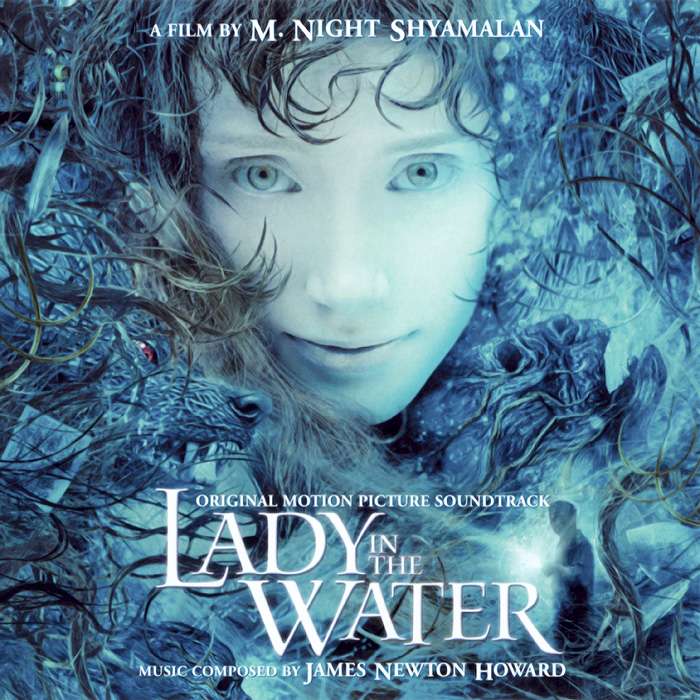
In hindsight of what´s written above there´s no better release to start my last best-of list than this one. A classically trained conductor (and composer of its own) leading an orchestra used to perform "serious" music only. On this release here they tackled master composer Bernard Herrmann, known for his many scores for famous movies directed by Alfred Hitchcock. The result of this seemingly strange marriage are works for the silverscreen interpreted with a comparatively "classical" approach - and it works. While many fans of the originals despise this release as being "too slow" or "too boring" this indeed is the prerogative of a conductor who interprets the work with his orchestra. It´s his own subjective view on a particular work and I for one love Mr. Salonen's view because he gives something else to these excerpts, a little something extra I´ve rarely heard from Bernard Herrmann: emotions. Of course, they were always there but hidden under the stark and rigid conducting style of the composer. The sound quality of this recording shows 'extras' too: the sonic colour is breathtaking. Dynamics, crispness, bass, colour and staging are perfect, just perfect, resulting in a release that is without flaw. Highly recommended!


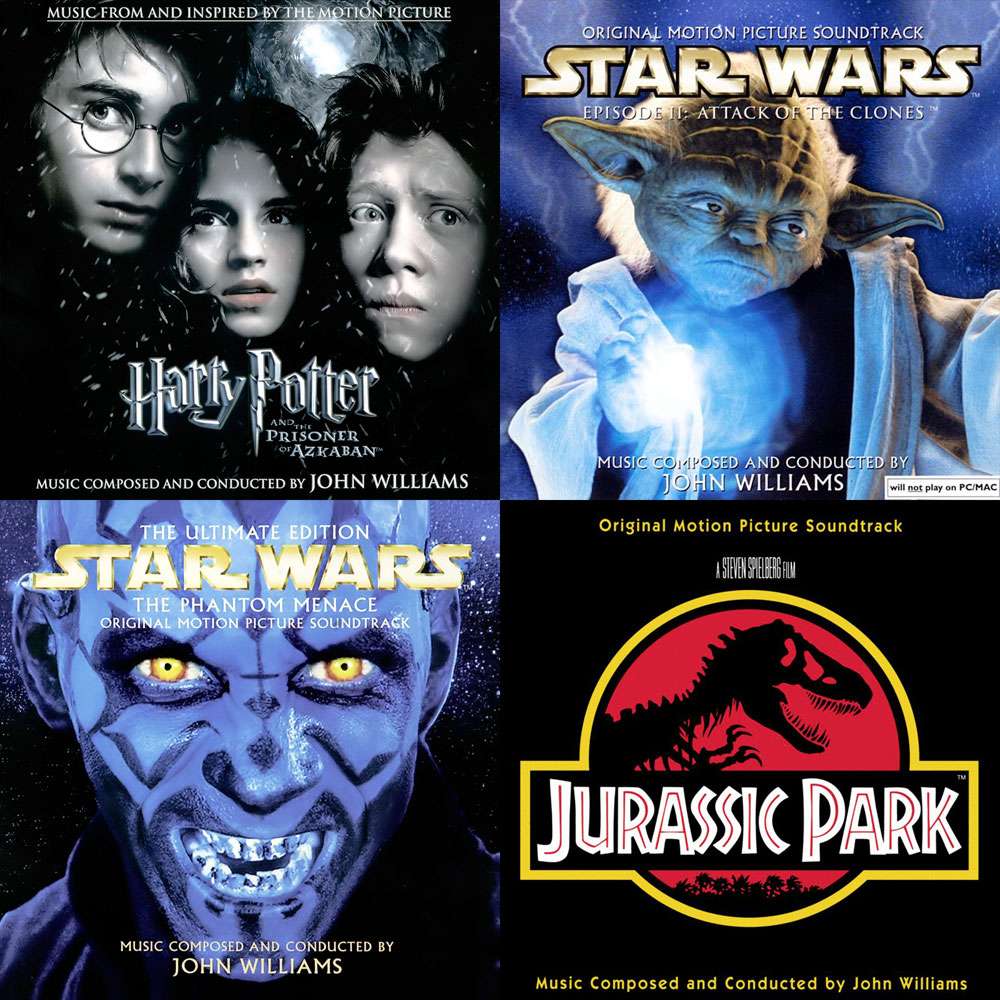
For a long time now I have been assuming that some composers are more interested in a well captured sound than others. One of these composers is John Williams. While his earlier work from the '70s and '80s does not always sound well his more recently released compositions range among the best sounding orchestra recordings available. It´s impossible to pick just one work and declare it to be the best, they all are almost perfect. To name but a few: "Hook", "Jurassic Park" (even with its exaggerated treble), "Schindler's List", "Minority Report", "Harry Potter & The Prisoner of Azkaban" or his more recent "Tintin" score all have a lush, defined, dynamic, spacious and colourful sound. They simply are pure joy which might have to do with the circumstance that Mr. Williams takes his time to compose and to record. Unlike other composers he usually requires six months time for one score and while greatness can be achieved in just three to four weeks by others ("King Kong", James Newton Howard or "Air Force One", Jerry Goldsmith) he always seems to be just slightly more careful, adding layer after layer of variations, harmony and complex rhythms. The engineers he uses seem to know what he requires - and most of the time they deliver.


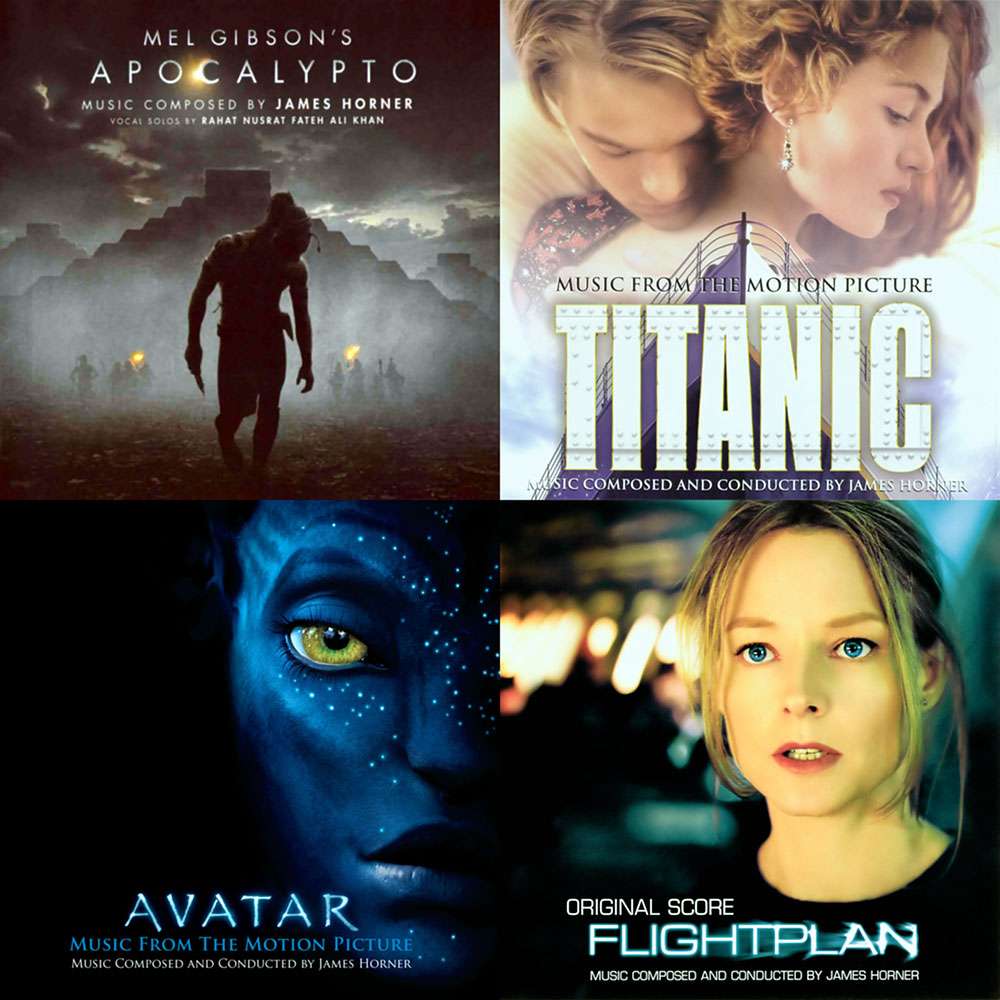
You probably own a wonderful sounding score yourself already: "Titanic". If I remember correctly over 30 million CDs have been sold over the years, it´s an impressive and rare number for a score. It was composed by James Horner and it earned him a well deserved Academy Award but probably very few people know that it also sounds close to perfection. Bob Katz, himself a highly respected engineer, knows about it, some years ago he stated that it´s one of the best mastered CDs out there. But one shouldn´t stop with this example of Horner's composing style even though it serves as some kind of "Best-of" for Horner's music itself. There are just so many other scores by him that sound very well: "Apocalypto", "Flightplan", "A Beautiful Mind" (even though it has been mixed odd) or "Avatar". Hm, if I think about it you might want to forget the last one. Sure, it was written to accompany the most successful movie of all times but it really is a boring, cheap and uninspired score. You see, over the last 20 years or so James Horner has been accused of being too ecclectic, he literally "steals" (which goes way beyond of being "inspired" or "paying hommage to") music by others (not so often) and himself (everytime). The main theme for "Aliens" for example turns up again in "Clear & Present Danger". You can bet your life on it that a theme for one movie might turn up in another completely unrelated one resulting in the public accusation of laziness which has been surrounding James Horner lately. If you´re still willing to accept this you are in for sonic ride for most of his later scores (since the mid 90s) come close of being the epitome of sonic perfection. Compared to John Williams above they do not sound as well but the differences are so tiny that these scores still sound better than 95% of everything else.


If you´re into electronic music this release from Trent Reznor & Atticus Ross is for you. Trent Reznor initially started out as an industrial rock singer/songwriter, his band Nine Inch Nails is quite famous. That  background might be one of the reasons that there are many people out there who are deriding this work as being uninspired and boring, "The Girl with the Dragon Tattoo" has been attacked for bordering on being a collection of noises and soundscapes only. Well, there actually doesn´t exist a reason for denouncing it other then not being able to fit everyones' taste. It even has a strong connection to "Star Trek" (for a yet unknown reason), one piece is called "Bird of Prey" while another piece quotes the Borg-Theme Jerry Goldsmith composed for "Star Trek: First Contact" (one possible reason could be the quote from the movie that "Borg" sounds swedish; Stieg Larsson, the author for TGWTDT came from Sweden too which would render the theme-quote an in-joke). The sound is a beast of its own because it will prey on your ears, it´s just pristine. This score doesn´t use a classical orchestra - but that doesn´t mean that it cannot sound well. Samples of real recordings are mixed with synthesizers, sequencers and signal processors are manipulated with extreme attention to detail and a fine ear for subleties while the overarching sonic concept never strays out of sight, creating a balanced soundscape with many highlights. I don´t know how Reznor/Ross achieved this but it´s evident that you sometimes won´t need a classically trained composer to support a movie, create an artistic work and to produce sublime musical soundscapes. If I have one criticism it´s that this score is an example of the Loudness War, it has distorted 0 dBFS peaks responsible for a slightly smeared image. Otherwise it´s perfect so get out and buy the 3-CD edition, it´s quite cheap.


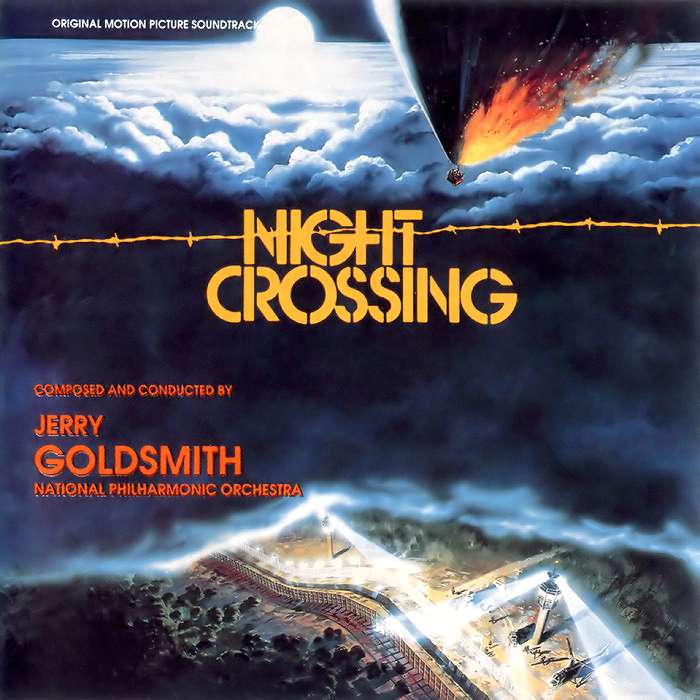
In 1981 Jerry Goldsmith composed the score to a now obscure movie called "Night Crossing" which described the flight of two families from East Germany to West Germany with a huge balloon. It seems that Mr. Goldsmith has been inspired by this movie to compose one of his most passionate works because the music is complex, dynamic, emotional, intelligent and quite breathtaking (even though used a tacky accordeon for describing German rural life). The sound quality of this release is equally perfect because it´s noisefree, not distorted, extremely dynamic, crisp with lovely sonic colour and perfect staging (it could use a bit more energy at the lower mids though which somehow results in a slightly flat imaging). Surprising really because it´s 31 years old, yet it still holds up extremely well. Engineering was done by Eric Tomlinson and it´s one of those cases where he succeeded in getting a perfect sound. Sadly, this score isn´t available anymore, the last time it has seen a (limited) release was in 1994 by Intrada. I only have a copy a friend made for me but - as is often the case with me on rare OOP releases - I very much would like to have an original CD since I love to read a booklet in combination with a pressed medium instead of a CD-R. So I really hope that the recent Disney/Intrada pairing will pay off and that it´ll be released again, they won´t need to remaster it because it´s already almost pristine. 


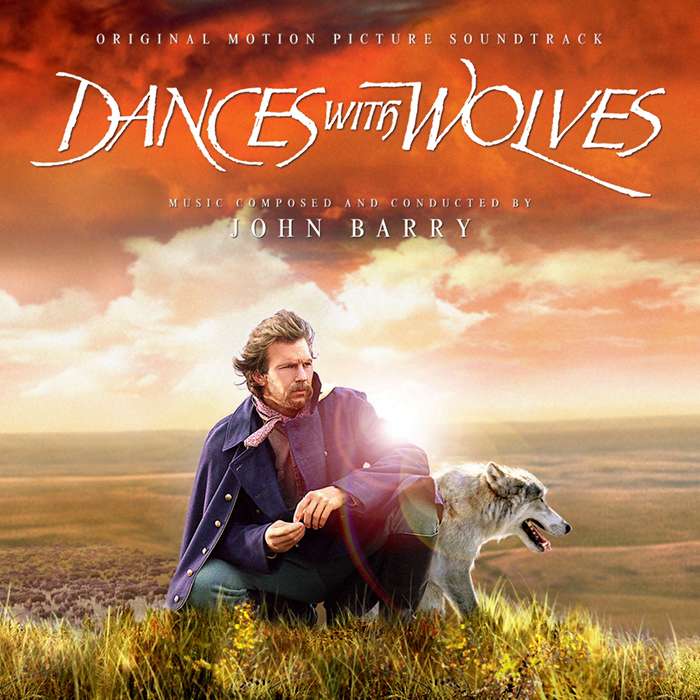
With his epos Kevin Costner singlehandedly resurrected a genre that was believed to be a rotting corpse. Courtesy of the marvellous photography the movie presented vast vistas and dramatic pictures, marrying these with an enganging love story and a well done description of how the native American people once suffered. Not one composer would have been better suited to score this picture than John Barry. Mr. Barry can of course be described as "Bond, James Bond" for he is the one composer responsible for shaping an entire genre. While the Bond style wouldn´t have been well suited for this movie he already had developed a secondary style throughout the '70s that used an extremely slow and elegant pace with big brass and cinemascope sized emotions, all glued together by jazz harmonics & rhythms and loaded with his trademark simple composition style. If one work by a composer could be described as being the crowning achievement of a long career it would be this. Another wondrous achievement always was and is the sound of the CD: it perfectly fits the music and the movie. The scores' sonics are extremely articulate, airy and dynamic combined with fullness and details that must be witnessed to be believed. This score is over 20 years old and still sounds like it has been recorded tomorrow. Of course you can criticise it for being too wide and too reverb laden - but if it would be any other way it wouldn´t fit the music. The sound is so well captured that it has been re-released many times, always on the newest audiophile medium: in 1995 on a Gold-CD with additional music, in 2001 as an SACD and finally in 2004 in remastered and expanded form. If possible however you should try to seek out the original version or the Gold-CD because the 2004 version has been remastered with too much emphasis on bass and treble. Don´t get me wrong, it still sounds good but the newest release has lost one of the most appealing aspects of the score: the balanced frequency response. This one is highly recommended even if the music sometimes will prompt you to fall asleep over it. Before I forget: the cover you can see above isn´t the original cover. That one looked boring so I took an alternate that has been created by the wonderful Luis Roja.


Ah yes, this movie... I won´t talk about it. I like it but it has many flaws and describing them would go beyond the scope of this article. The music however is perfect - as is the sound. There might be some energy missing at the mids but other than that it´s well captured. Treble is extremely gentle, yet extremely detailed and airy. Bass is full and deep but never bloated and the slightly recessed mids are largely responsible for the laid-back sound. On weak systems it can appear to sound too liquid but that´s only because those systems destroy the very delicate textures. The staging is lovely too, it´s wide, deep and perfectly balanced. I cannot listen to this recording on my old Technics SL-XP 300, with that CD player it sounds like shit. So this is not only a marvellous score by James Newton Howard, it´s also able to serve as a Test-CD.


Sadly not many scores by Christopher Young sound as well as this one. If they would however they´d be even more engaging. Mr. Young is primarily known for composing music for horror movies, he composed the music for "Hellraiser", "Species", "Copycat" and "The Grudge". But scoring for horror movies isn´t the only reference, he also composed music for big budget movies like "Spiderman 3" and "The Core". At one thing he excels though: writing for strictly dramatic movies, as a prominent example I´d like to mention "The Shipping News". The knack for emotions might be one of the reasons enabling him to compose horror scores that are perfumed with an underlying melancholia that´s hard to grasp. This melancholic horror is perfectly captured here with the "Excorcism of Emily Rose" which also showcases his talent to use the styles of Penderecki, Kilar, Lutoslawski and Górecki. The latter fact renders him one of the most modern and advanced composers in Hollywood. Of course he doesn´t simply copy them, the wonderful artist that he is incorporates them into his own style. Result: one moment you´re in sheer terror, goosebumps are chasing goosebumps while the next moment you are immensely depressed, melancholic and feel the weight of the world on your shoulders. Mr. Young always is an emotional rollercoaster ride on his better scores - thankfully the sound of this one isn´t for it will make you truly happy. It does have some high frequency sinuses which can be quite distracting but otherwise staging is lovely, the size and placement of instruments stays consistent throughout, the occasional synthesizers are sounding organic and perfectly blended into the orchestra. Sometimes it´s a soundscape not unlike the one described above with "The Girl with the Dragon Tattoo", this time created with an orchestra though. You really should seek out "Emily Rose" before it´s too late, the CD has already started to disappear from stores. It´s really a shame because it´s such a wonderful little gem from an underrated composer.


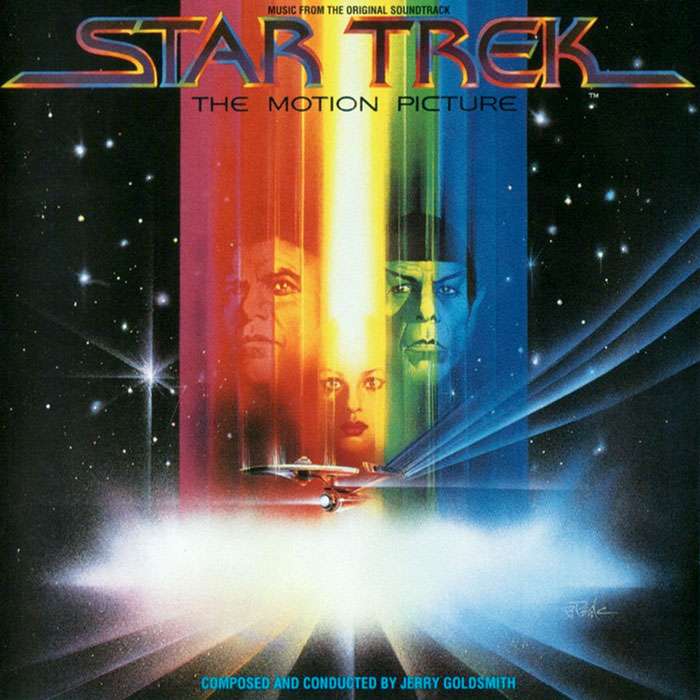
The score to the first Star Trek movie by Jerry Goldsmith is a legend. It´s commonly mentioned alongside scores like "Lawrence of Arabia", "Star Wars", "Titanic", "E.T." and it´s a shame that it wasn´t awarded an Academy Award. It by far surpasses the quality of the movie and its brassy title march was made famous by its use in the TV series "The Next Generation". The post production of the movie (and subsequently the music) was hurried and stressfull. The first theme Goldsmith composed was rejected by director Robert Wise to be too grand and operatic, sounding like "sailing ships". So J.G. came up with the theme we all know and love, a theme that has been performed by many orchestras in the world ever since. And even though the composing was done with little available time the final work is one fine piece of music. It marries a huge orchestra with synthesized elements, an organ and some unusual other instruments (the "Blaster Beam") and it was responsible for shaping the musical world of the entire Star Trek genre. It´s a wonder that the sound holds up very well when keeping the ennerving production circumstances in mind: engineering was done by Bruce Botnick and the resulting sound is wonderful. Dynamics are explosive, there´s an abundance of crispness that rarely gets harsh and a sometimes thundering base combined with an extremely precise and sharp image of the instruments while the ambience that surrounds them is lush. Yes, there is some noise and sometimes it can become a tad harsh but these are only occasional problems that shouldn´t hinder you to seek this score out for it should be on every cupboard.


Another score by Jerry Goldsmith composed for an obscure film that was directed by a director who later singlehandedly wrecked the Star Trek genre with the movie "Star Trek: Nemesis". A flop too, "U.S. Marshals" served as the sequel to the wonderful "The Fugitive" and while the second movie basically was a carbon copy of the first one it still failed to engage audiences and critics alike. The music has its fair share of detractors too, many Goldsmith fans hate it because it´s generally considerd to be too rhythmically complex and devoid of any good theme. I for one always loved it, this score proves that it won´t need a good theme and grand harmony to produce a good piece of music. The sound is lovely too, it was engineered by Bruce Botnick again (19 years after the score directly above) and while it has a very audible sine at higher frequencies it´s nevertheless detailed, crisp, lush and incredibly dynamic. Ambience tends to be too dry at times but that produces the positive side effect that you can pinpoint the instruments embedded in the virtual stage. Very recommended!


The ten worst sounding scores of all time


This is my penultimate best-of (or 'worst-of') list and it will concern itself with movie scores, commonly called soundtracks. For all my readers who don´t know what these are: scores are these strange things sounding remotely like music accompanying scenes of the movie you´re watching. I´m not talking about some songs where some guy sings something that´s somehow related to the movie (the feeling of the scene), no, I´m talking about music specifically created for those scenes only. Most of the time movies have a musical score so that certain scenes can be enhanced, weakened, juxtaposed, whatever you like. Filmmusic composers come in at the last moment of the movies' creation process, one often quoted statement describes it best in my opinion: "A filmmusic composer is the last writer on a movie". It´s important to understand that the job of a score composer is extremely important and difficult, he/she can affect the final statement of certain scenes in a movie tremendously. While the importance of scoring is common knowledge in the movie industry there are many people all over the world who sneer at filmscores, these people often state that scores are just tapestry and wouldn´t exist on their own. In Germany for example it´s quite normal to deride filmscores, in the eyes of us sometimes arrogant Germans scores are not "art" - they are written for a movie which itself is nothing more than entertainment. The truth however lies somewhere in the middle: yes, a movie is a form of commercialized entertainment and yes, a filmmusic composer indeed is an artist. This is of course a discussion hundreds of years old, Mozart or Beethoven can be equally accused of being commercial (they made a living with their music). 

It´s important to understand this clash because it is one of the reasons why filmscores fail to sound as well as many classical recordings. Yes, I know, a score is not classical music. Many people actually get this wrong; while filmmusic may use one instrument of the classical repertoire (an orchestra) it still doesn´t belong to that genre. Filmmusic also uses many different styles ranging from romanticism, baroque, post modernism, serialism, pop, jazz etc. and it must do so because it has to be recognizable and not too challenging so that the audience can still get the message. So, because filmmusic isn´t regarded as pure art and is created mainly for enhancing the commercialized dramatic narrative (the movie) and also because it is sometimes produced with limited amounts of time and money it can sound horrible as a result. I can only imagine what this means to the engineer responsible for the sound of the score: immense stress. Regarding that it´s no wonder that filmscores rarely sound perfect - still most of them sound decent; not very good but good enough for daily enjoyment. A proof to the talent of most of the engineers having to work under stressful, ever changing and demanding situations where money and time are on short supply. Some examples are so awful however that I´ll start my last two lists with the worst sounding scores of all time, it´ll be fun, I promise you. Oh, and score fans? Gimme a break, you may not like what you´re going to read but as I´ve written in all the other articles: this is just my personal opinion, nothing more.

I´ll start my list with a score by celebrated, multiple Academy Award winner John Williams. He did most of the movies of Steven Spielberg and George Lucas, he probably is the most successful score composer of all time, even "normal" people celebrate him (not only nerds like me). His score to "The Empire strikes back" has been a constant challenge for fans during the last 30 years or so. When it was first released it wasn´t complete (a score rarely is), when it was released in complete form by RCA Records in 1997 it sounded just awful. The latter version is the one you can see above and - by God - it´s one of the most hideous examples of sound ever preserved on CD. To make this release possible several different sources had to be used, sometimes they were in a very bad condition because of improper storage and sometimes they were mixed awkwardly. Several tracks were subsequently remixed by a person who obviously never mixed an orchestral recording before or didn´t have the correct information of how to place certain instruments with the result that some instruments of the orchestra are changing their place during the CDs' runtime. Even worse is that the original sound balance by engineer Eric Tomlinson was lost, resulting in a harsh, distorted, flat and compact sounding experience. It comes close to the sound of fingernails on a blackboard: deep bass is absent, highest frequencies responsible for "air" are nonexistent and the rest inbetween is either too loud, constricted or distorted. Until an improved version is to be released sometime in the future this release has to be avoided by all means. Believe me, I have tried to "remaster" it for myself but I´ve failed miserably two times, it simply cannot be done. Oh, and the 2004 Sony re-release is the same (despite the moniker "DSD remastered" on its back cover).


This is a truly great score, an achievement that catapulted James Horner to the A-list of composers working for Hollywood. The sound is frightfully distorted when the amplitude gets higher and looses resolution when it gets lower. This is an example of a recording made without much money and also another example of a recording engineered for vinyl. The release you can see here is the remastered and expanded version, released in 2009 by FSM, expertly remixed by Mike Mattessino. The new mix actually improves the sound somewhat but I assume that Mr. Mattessino couldn´t do something about the atrocious recorded sound without destroying too much of the initial material. Really a shame because the music is so good, it shows all the characteristics James Horner uses to this day in the best way possible.


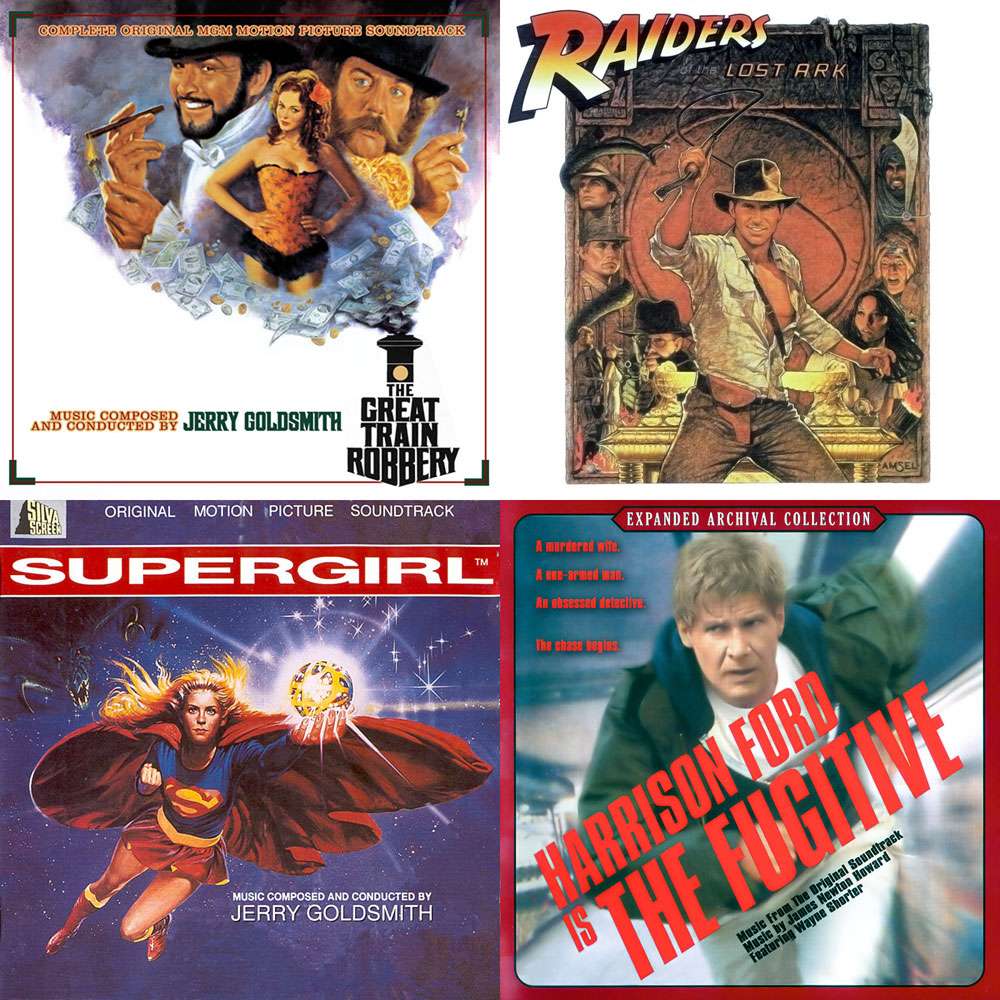
These four score shall serve as an example for recordings that have been remastered badly. "The Great Train Robbery" by Jerry Goldsmith had been released already in remastered, remixed and expanded form in 2004 and none other than Bruce Botnick did the new mix. Many fans of the score (and of the old LP released in 1979) always hated that expanded version because of a supposedly bad sound. Bruce Botnick had been working with Mr. Goldsmith from 1979 until 2004 (when Jerry Goldsmith sadly passed away) so he was constantly exposed to the sonic wishes of the composer. These were calling in later years for the sound to be "wetter, wetter, wetter" (as Mr. Mattessino so nicely told me) and so he remixed the Eric Tomlinson engineered score according to the newest sonic taste of the maestro. The result was a surprisingly fresh and up-to-date sounding release by Varèse Sarabande. But then there are fans who cannot forgive a more modern approach. For the past seven years they have been constantly crying out loud to "fix this mess", they complained that the timpani and the overall sound were too muted. In reality however it sounded like a modern recording, able to display an orchestra as one singular unit and not as parts seemingly recorded in seperate booths. Anyway, in 2011 the fans got their wish: the score was re-released by Intrada, newly remixed, remastered and expanded. With this latest release the sound is back to its old, vinyl-y self: compact, explosive but harsh with the orchestra sounding like seperate units. Bass that was present on the 2004 version is gone as is the lovely bloom courtesy of Mr. Tomlinsons original engineering. Very disappointing.

"Raiders of the lost Ark" was re-released in remastered form by DCC Records in 1995, a now defunct label. Originally the engineering was done by Eric Tomlinson (again) while the remastering job was done by Steve Hoffman, a man regarded as God by his many fans. He even might be well suited - when it comes to soul, rock and other releases from many decades before (-> don´t sound well). He cannot make anything worse with these recordings in my opinion. His fans may disagree but I can tell you that he appears to have no idea of the sound of an orchestra. His remaster of one of the greatest scores of all times sounds too compact with too much emphasis on treble. The result is an often piercing, shrill sound that lacks a solid "base" in combination with constricted staging. While it´s common practice to master music to fit ones' sonic taste it just didn´t work on this example here where Mr. Hoffman added his beloved euphonic colour with a tube equipped pre-amplifier (as he always does), resulting in already crisp high frequency details being exaggerated beyond enjoyment. The most recent remaster released by Concorde Music in 2008 is the superior one even though they applied some light dynamic compression and got the speed of some tracks wrong. But that´s still the one you should buy.

"Supergirl" not only failed at the cinema, it also fails soundwise on the release from 1993 by Silva Screen Records. The music itself is really good, critics have sometimes called it the single redeeming aspect of the movie. It offers a brassy, extremely engaging title theme, a robust theme for the villain and a sweet love theme. The synthesizer integration is well excecuted here (Mr. Goldsmith loved to pepper his orchestral scores with synthetic elements) and the original sound was gorgeous too - Eric Tomlinson again. So it´s even more baffling to me how a person can turn a sound that was lovely to begin with into this... well, hideous thing. Actually it´s no surprise: the remastering engineer has just one orchestral mastering credit: this one. Most of the time he masters hard rock, punk and other "loud" stuff. Sadly it shows here: the music is way too aggressive, reverb sounds like metal, bass is absent. The presence area is extremely loud while the treble area usually pronounced by Mr. Tomlinson has been reduced. In the end you get a screeching and screeming mess where instruments are either too loud or too big and the orchestra seems much too small or too wide.

"The Fugitive" is an oscar nominated score by James Newton Howard, well worth your time. The saxophone is played by none other than Wayne Shorter. The original release from 1993 already had a strange problem: channels had been switched during mastering. The expanded re-release from La La Land records (2009) corrected this but introduced a new malady: dynamic compression. While the older release will rock your house with dynamic hits of the orchestra the newer one won´t do so because it sounds timid and it misses deep bass. This release seems to have been done with old grandmas in mind!


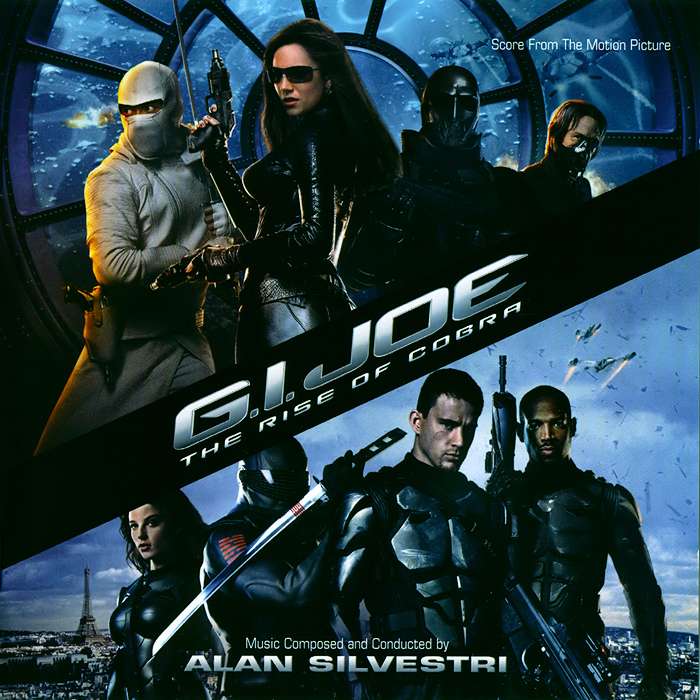
A movie for the younger and predominantly male generation of movie goers, a movie that will proudly swell your balls to the size of melons if you belong to this group, a movie with a mediocre score by Alan Silvestri. Dumb and stupid is also the sound of this Varèse Sarabende released CD: it has been brickwall limited; it may appeal on the radio where it´ll certainly grab your attention playing alongside such dignitaries as Gaga or Katie Perry. C´mon, a score on the radio?? Who decided that an orchestral score would need that? What the heck were these people thinking, how could Patricia Sullivan-Fourstar master like this? But wait, this wouldn´t even be the worst aspect of this mess wouldn´t it have been mastered from lossy compressed mp3 files. Yes, you´ve read it right: the first half was mastered from 48 kHz mp3 with a data rate of 192 kBit/s. A bug? A feature? No one can tell. Varèse Sarabande said back then that they never look at the frequency spectrum, they observe only by ear. You know what? I actually have been avoiding scores from Varèse during the last years. I´m really glad now that I realized that!


A very famous and experimental score, released in 1968, composed by Jerry Goldsmith for a film by Franklin J. Schaffner.With this score Mr. Goldsmith effectively brought Alex North's dissonant and percussive style then foreign to casual movie goers to bigger attention. The music strongly divides fans' opinion of Goldsmith's work with no shades of grey inbetween. The sound however is for sure disliked by everyone for it is devoid of treble (replaced by noise) and has a great amount of energy at the presence area which makes it aggressive and muddied at the same time. While this is not unusual for music recorded at those times it still fares worse compared to other scores produced back then. It wouldn´t be that bad if everything would sound like playing through a blanket but some instruments (or should I say kitchen appliances?) indeed are crisp and generally very well recorded. So why wasn´t everything else matched during the remix and the subsequent mastering? An unused chance - disappointing.


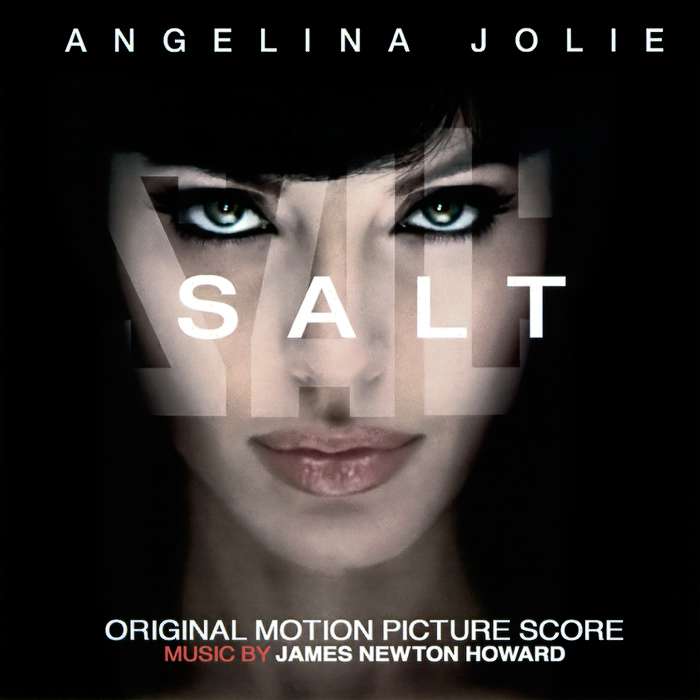
This score by James Newton Howard for a movie with lovely Angelina Jolie playing a secret agent was a - successful - attempt to cash in on the Bourne-franchise - and it does show in the score. It even copies some "Zimmerisms" ("composing" characteristics of Hans Zimmer) and it improves them as a result. "Chase accross DC" is a particular highlight of the score. Wouldn´t there be this - how can I put this politely? - awful sound... this release seems to be engineered to sound impressive on the very mediocre iPod headphones, it´s able to counteract their bass- and treble weak sound. On a home stereo this ostensibly results in an bass heavy and shrill sound, colour has been drained in favor of a built-in loudness switch you usually find on your amplifier - that obviously cannot be switched off in this case because it has been engineered into the sound itself. To be fair, it actually seems to be recorded well which will be revealed only if you´d attempt trying to correct this - but even then you´d have to do something about the dynamic artifacts created by the brickwall limiting. Yes, this score is just another prime example of the Loudness War. Shawn Murphy, how could someone like you - who normally is wonderfully talented and tasteful - produce something like that?


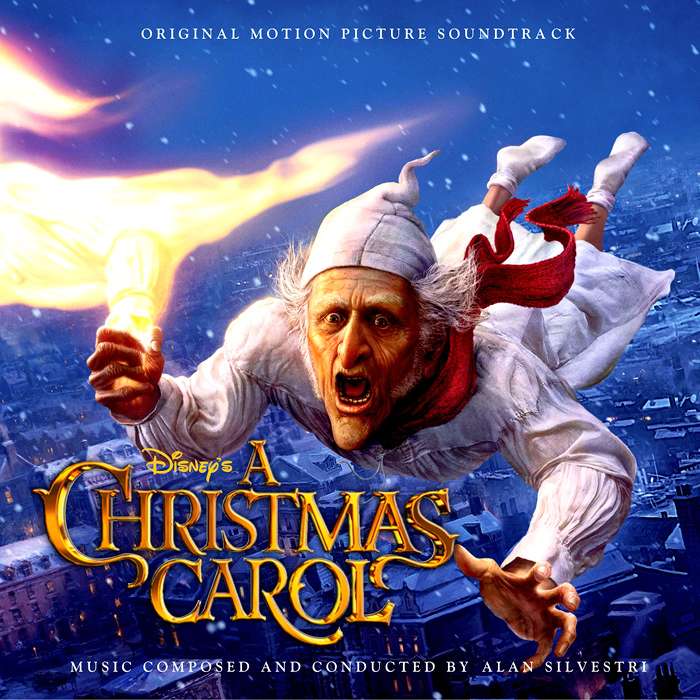
Yet again, another example of the Loudness War. Oh, and please excuse the non-original cover, I couldn´t find a better one because the original cover is too small and not very sophisticated. This beautiful score suffers in many ways from its sound: this release appears to have been mastered with a crowd in mind that usually buys mainstream pop music. It sounds constricted, very dry (curious for a christmas-themed movie), some instruments sound more like static. Plus: a Loudness switch has been engineered into the sound again in combination with brickwall limiting - ReplayGain tells me it is 7 dB too loud (!). Hence this increase of Loudness destroys the sound of the orchestra and its dynamics. Subtleties of the orchestras` performers are lost on this recording with the effect that the music isn´t presented as good as it really is. It´s disappointing really; the process of mastering should never affect the message of the music. To add insult to injury this wasn´t even released on CD but as a lossy download only. I bought my version at Amazon.de and while it has a comparatively high bitrate of 256 kBit/s it still is lossy with almost all frequencies missing above 16 kHz (which I still can perceive). I hope Intrada will rectify all shortcomings soon in view of their recent partnership with Disney for this score to shine properly.


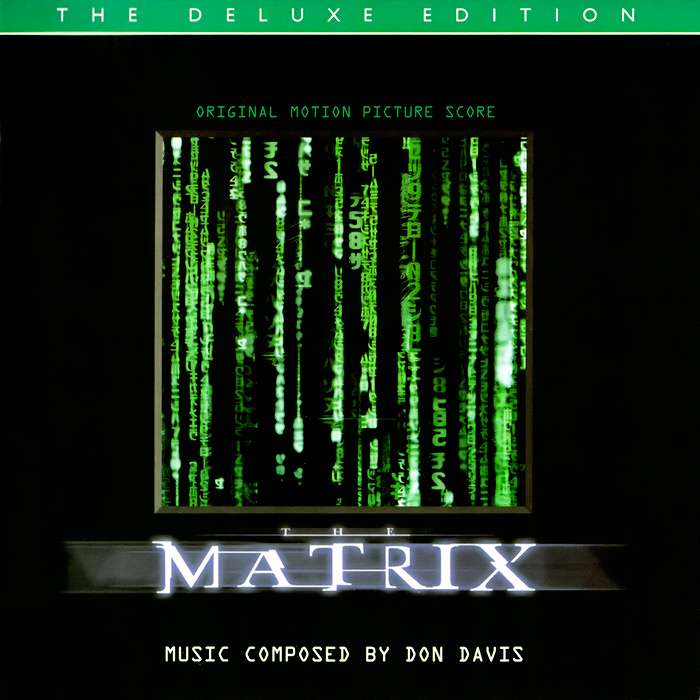
This actually isn´t that bad, frequency response is relatively balanced. It´s just brickwall limited and much too wide, someone has been pushing the "widen the stereofield" button to greedily. Probably to improve the already dry and constricted sound of the original. Strings are too far on the left, brass is on the far right with virtually no sound in the center. The staging is so wide that it has to be heard to be believed. Another Varèse Sarabende disappointment.


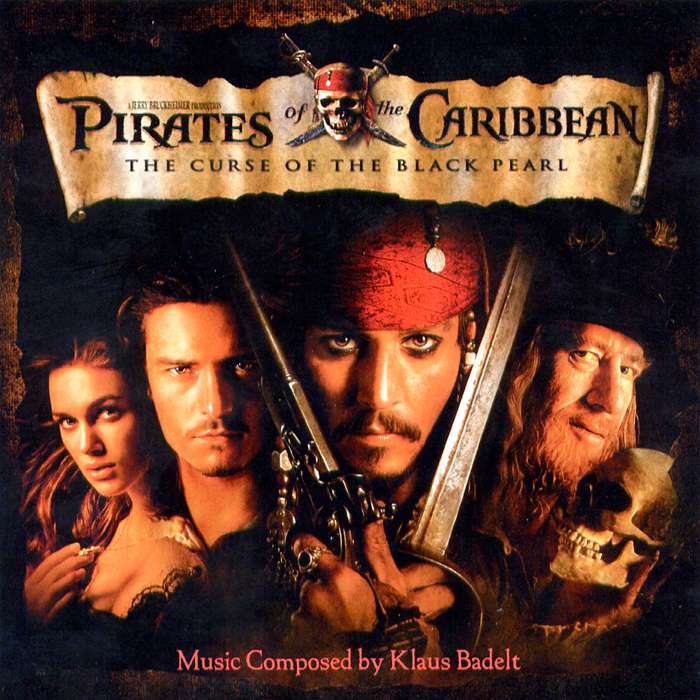
Composed by Hans Zimmer (he was contractually obligated to another project so Klaus Badelt is credited with composing duties) this score is extremely popular with mainstream audiences and Zimmer fanboys alike (who shouldn´t be regarded as experts because they usually listen to DJ Tiesto). Many people will know that Zimmer and his team produced this as a replacment score for the first composer Alan Silvestri (who was Verbinski's personal choice). To be fair, this score was produced in a very limited amount of time only because producer Jerry Bruckheimer hated the first score by Alan Silvestri, it wasn´t manly enough (it had woodwinds in it which are - we all know this - for faggots like me only (yes, he´s a homophobic)). It´s highly commendable that Badelt/Zimmer (and probably a bunch of other composers) achieved this in the short amount of time. As I now know from the wonderful book "Torn Music" there were no hard feelings between Alan Silvestri and Jerry Bruckheimer who behaved most admirably. Mr. Silvestri hadn´t written something beyond some themes and synth-mockups, even less recorded something. According to Silvestri, him and the producer parted on good terms. Zimmer and his Remote Control team had one month time to come up with this score which isn´t that bad and typical for Herr Zimmer; it´s jolly good fun. The sound however isn´t funny, it´s a nightmare. Brickwall limited again which leads to audible distortions and dynamic artifacts with the usual slighly loudness-y sound so typical for Remote Control productions. Parts of the orchestra have been replaced by 80s` synthesizers and it´s very apparent here. Hans, warum klingen deine Scores eigentlich immer so Scheiße? Mach mal was dagegen!


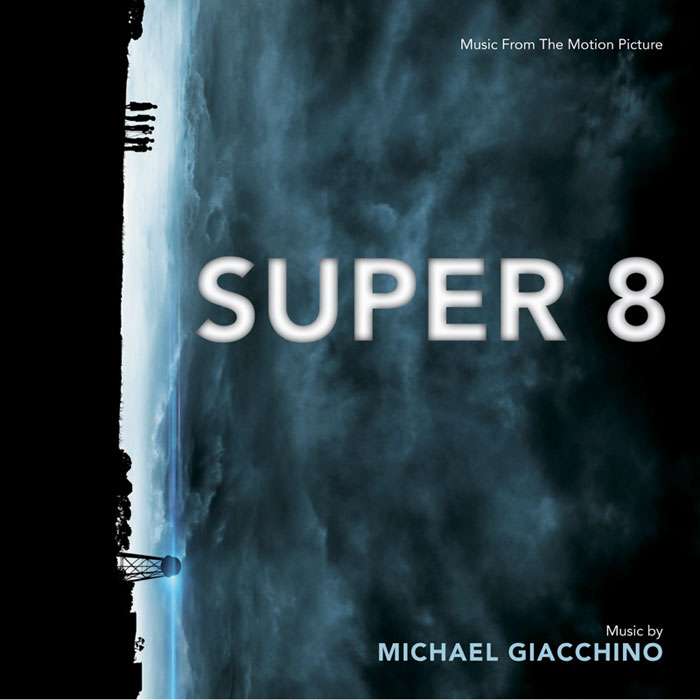
A good score for an even better movie. But I´m at a loss here why it sounds so bad. You know, I expect a new recording from 2011 to show how far we have advanced soundwise. Why this one disappoints is baffling to me. "The Matrix" above was too wide but this one here is the opposite, it´s too compact. From what I´ve read many scores from Michael Giacchino show a sonic soundscape like this so I have to assume that he suffers from some sort of hearing damage. Tinnitus perhaps? Otherwise this close-to-monaural sound cannot be explained: on lower frequencies the stereo field is wide enough but the higher the frequencies go the smaller the stage gets. Frequency response is relatively balanced but borders on the muffled sound typical for recordings of the '60s, violins sadly are sounding dark. All of this results in a tiny and very analogue (in a bad way) sounding score. Thankfully brickwall limiting is absent - the dynamics have been tinkered with nonetheless: pieces that are supposed to be low in amplitude have been amplified to a level close to the amount of usually very loud pieces. I´m very confused by that, I´m always at the volume knob to re-create a "normal" orchestral dynamic. It sounds as if the mastering engineer applied a per-track based ReplayGain result to the final mastering instead of a per-album based result. Erm... no; not Loudness War but uneven.


Last update: 08.06.2012
Related Posts Plugin for WordPress, Blogger...

The Socials